
“Toxin Fatigue” is real. Every time I open Instagram or TikTok, I am bombarded with the knowledge that the water I am drinking, the couch I am sitting on, the food I am eating, and the clothes I am wearing are poisoning me. Now I know this is not a unique experience, and it is probably why you are reading this.
Let me start with this: True detoxification IS NOT about perfection. It is about taking back control of your home and body. Now we can’t just live in a bubble, because that is not truly living. And we also can’t replace everything we own overnight. But we can use “The Rule of 3” to help limit our exposure to toxins and give us some peace of mind. To keep it simple we are going to focus on what touches our Food, Mouth, & Skin.
Rule 1: What Touches Your Food
Food is a major vehicle for toxins due to heat, fat, and acid. When plastic or synthetic non-stick coatings are heated or come into contact with acidic foods (like tomato sauce) or fatty foods (like cheese), they leach chemicals and shed microplastics at a much higher rate.
Food Storage:
Let’s start from the very beginning of the cooking process, how is our food stored. A good course of action in this area is to have glass and ceramic containers replace your plastic ones. This does not mean you need to throw away the food in your pantry or fridge, that would be wasteful and not cost-effective. It is better to use your current food items and then start making changes to products that are packaging without plastic (but ultimately this is almost impossible to do) One thing I have done is start saving glass jars (from spaghetti sauce, olives, etc.) and putting literally anything and everything in them. Storing food in glass containers will prevent it from continuing to absorb those toxins and micro-plastics and keep it fresher for longer. It is a win-win situation. I suggest you not throw away plastic containers but take them to thrift stores or use them to give friends and family baked goods (or anything of that nature). Throwing away plastic will end up just going into landfills and eventually into our water supply, but that is a topic for another day.
Cutting Boards:
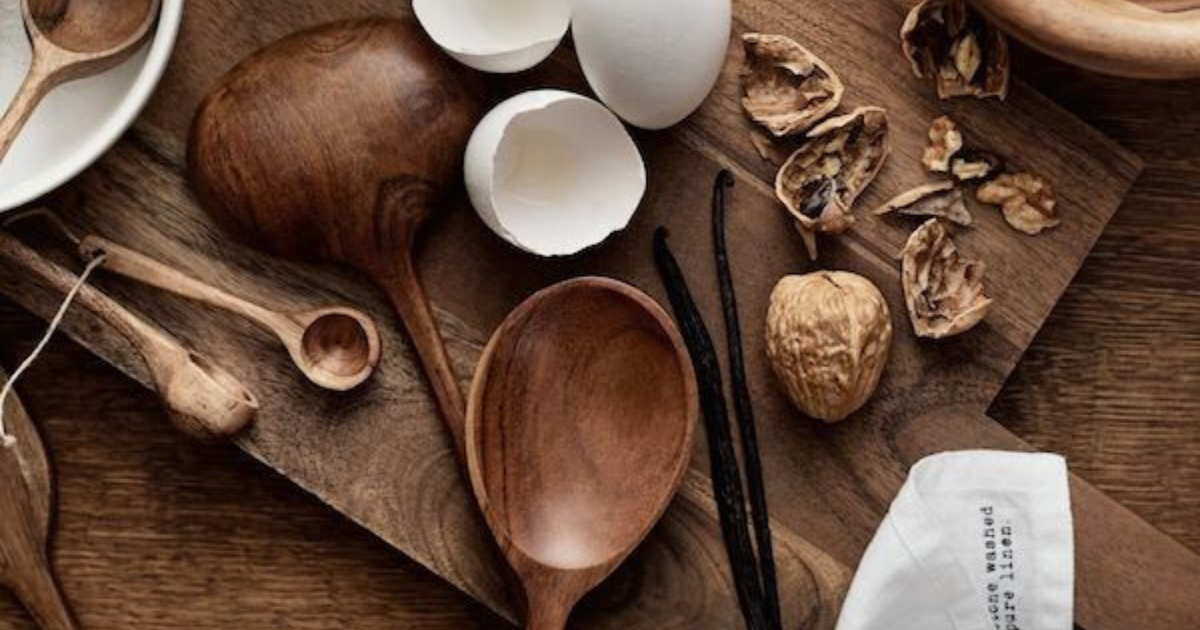
Everyone knows that cutting boards are always filled with cuts and scratches (aka grooves). But did you know that every single knife stroke (on plastic cutting board*) is chipping micro-plastics into your food. Studies estimate that in one groove alone there is 100 to 300 micro-plastics per millimeter and 1,000 to 2,500 per cutting event. Wood, Stainless Steel, or Plant Based boards are much better options. I personally like wood the most.
Dishes:
One of the cheapest detox steps is free, like simply choosing not to microwave the plastic you already own. Having ceramic or wood dishes can be a great help when trying to limit micro plastics, especially if you are microwaving or eating hot food. I have actually been able to thrift a some very cute ceramic bowls, so I would check their first!
Pots & Pans:
I will admit I love it when my pans rinse right off; it makes things so much easier, but this is one of the biggest sources of added toxins in your kitchen. Historically, non-stick pans were made with a substance called Teflon, which has been linked to many health issues, including cancer.
Many manufacturers phased out PFOA around 2015, so many are now labeled PFOA-free. Though they are PFOA-free, modern coatings still contain other chemicals in the PFAS family (often called “forever chemicals” which can still lead to health risks. I suggest ceramic or cast-iron cookware instead.
Rule 2: What Touches Your Mouth
We are constantly ingesting microplastics and endocrine disruptors through our daily hydration and oral hygiene routines. You might have paused and asked, “Drinking water is toxic?” The answer is yes if you are using plastic water bottles.
Water Bottles:
Single-use plastic water bottles have been proven to have hundreds of thousands of microplastics and nano-plastics that are just soaking straight into your water. The good thing is this is one of the easiest switches you can make (and cost-saving). Start using a reusable stainless steel or glass bottle! It will keep your water fresher and save you money in the long run.
Oral care:
Moving on to oral care. There are a few sources of micro-plastic consumption, but the biggest is your toothbrush. Studies have found that 30 to 120 micro-plastics are ingested per brush. A solution here is to switch to a bamboo brush with plant-based or boar-hair bristles.
Rule 3: What Touches Your Skin
Bedding & Towels:
Your skin is your largest and most exposed organ; what touches it for hours matters!! Changing your entire wardrobe to 100% natural fibers is daunting and difficult. So, let’s just start with something a little easier, bedding and towels. Most textiles are made with Polyester. Polyester is a petroleum-based synthetic fiber that releases billions of “micro-fibers” or micro-plastics. A good switch is Organic cotton, linen, or wool. I personally love my 100% cotton sheets, which I have linked!
Phone Cases:
One thing I think a lot of people don’t think about in this category is your phone case. The average person touches their phone 2,617 times a day. This is just as important as your clothes, bedding, and towels. Luckily, there are a few plastic-free plant-based options out there!
This lifestyle of living is a marathon, not a sprint. Making a complete 180 overnight would be very expensive and overwhelming. Start with the most important things first, and then over time, you will be living in Your Own Detoxed Home.
Let me know which of these areas you are going to work on first!
I’m gonna try to stop using Plastic Water bottles! I drink out of them way too much.